To achieve "perfect photography," one must look beyond the shutter button. An SLR camera is a complex ecosystem of optical viewfinders, precision lenses, and high-sensitivity sensors. This guide breaks down the core technical features—from RAW data processing to the Sony-powered optics in the AMKOV lineup—that empower you to capture the world with clinical accuracy and creative soul.
In the professional imaging landscape, the SLR (Single-Lens Reflex) and its digital successor, the DSLR, remain the gold standard for those who demand absolute control. The hallmark of these devices is the reflex mirror mechanism, allowing you to see exactly what the lens sees through a lag-free optical path.
However, photographic perfection requires an understanding of the technology under the hood.
1. The Digital Heart: Sensor Architecture
The sensor is where light transforms into data. Most high-performance cameras focus on two specific formats:
- Full-Frame Sensors: These match the dimensions of traditional 35mm film, offering elite low-light performance and massive dynamic range.
- APS-C (Crop) Sensors: These are more compact and provide a "reach" advantage, making them a favorite for sports and wildlife.
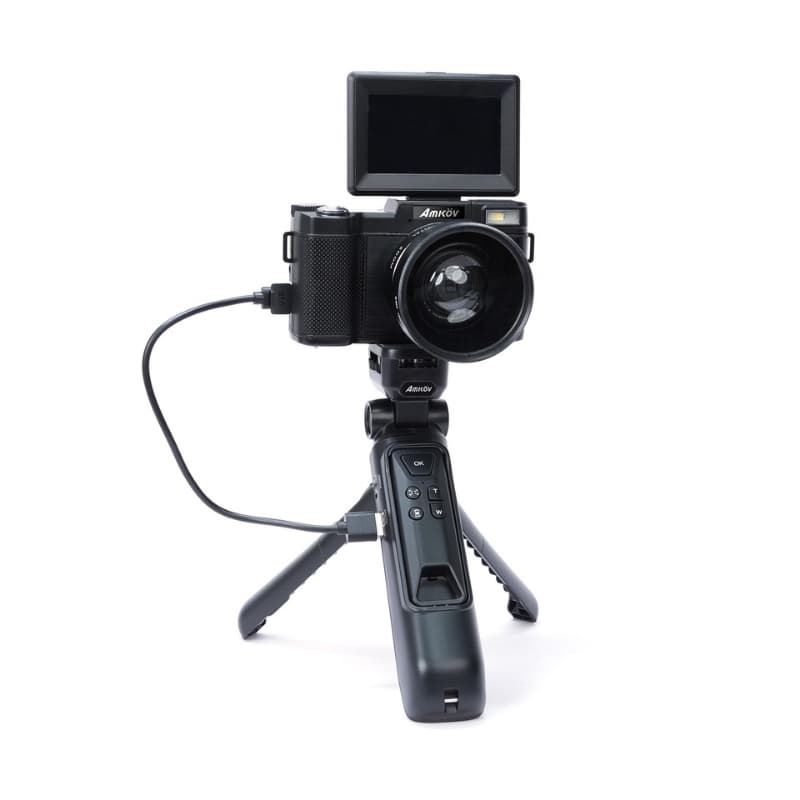
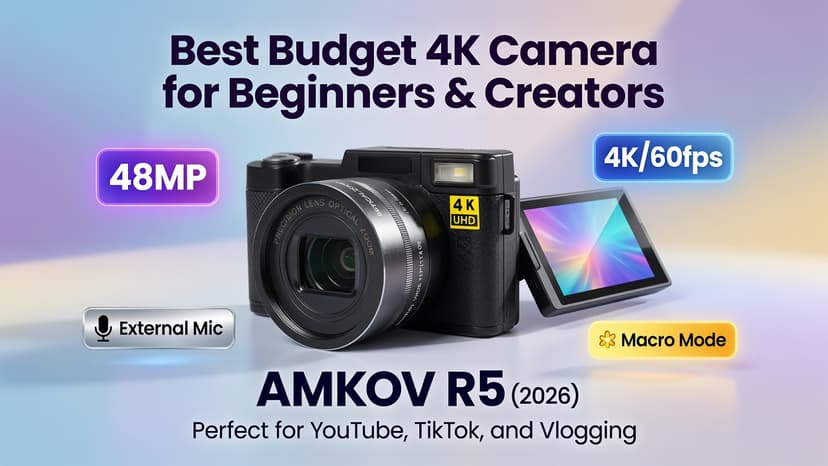
- The AMKOV Innovation: Many AMKOV vlogging and creative cameras are integrated with high-sensitivity Sony CMOS sensors. These sensors provide up to 48MP resolution, ensuring that even accessible gear can deliver professional-grade detail and color accuracy.
2. Lens Versatility: The Power of Interchangeable Optics
The true strength of an SLR system is the ability to swap glass based on the scene.
- Prime Lenses: Fixed focal lengths (like 50mm) that offer unmatched sharpness and wide apertures for beautiful, creamy bokeh.
- Zoom Lenses: Essential for travel and versatility, allowing you to move from wide-angle landscapes to tight portraits in seconds.
- Optical Excellence: AMKOV’s specialized 2G6P lens systems prioritize light transmission, reducing ghosting and flare for a cleaner, more captivating image.
3. Exposure Mastery: Shutter Speed & ISO
Perfect photography is the art of balancing light through mechanical and electronic control.
- Fast Shutter Speeds: Essential for "freezing" time in high-action sports or wildlife shots.
- Slow Shutter Speeds: Used creatively to blur water or capture the stars in long-exposure astrophotography.
- ISO Sensitivity: Modern Sony-powered sensors allow you to shoot at higher ISO levels with minimal "noise," capturing crisp images in challenging low-light environments.
4. Advanced Focusing Systems
A camera is only as good as its ability to stay sharp on the subject.
- Phase Detection: Found in professional bodies and AMKOV’s high-end series, this system calculates distance instantly for rapid subject tracking.
- Face & Eye Detection: A critical tool for vloggers and portrait artists, ensuring the eyes—the most vital part of the image—remain in perfect focus automatically.
5. File Formats: RAW vs. JPEG
- JPEG: Ideal for instant sharing and social media with smaller file sizes and quick processing.
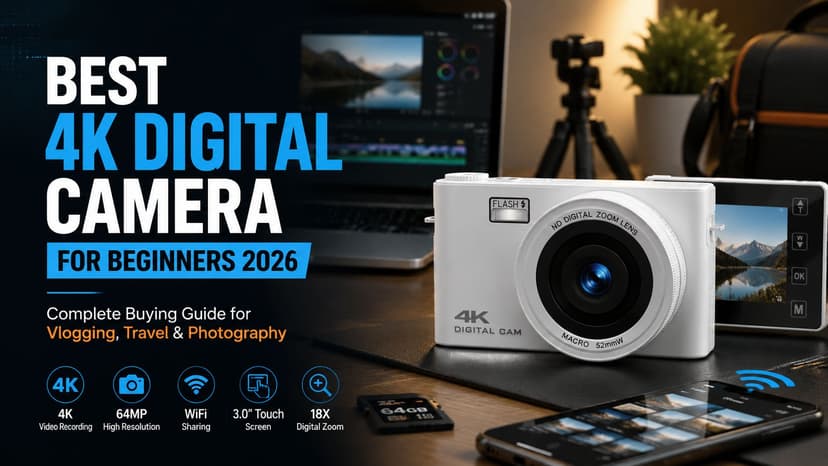
- RAW: The professional choice. RAW files capture every bit of data the sensor sees. When using an AMKOV 4K camera, shooting in RAW (or high-bitrate video) gives you the freedom to recover highlights and shadows in post-processing without losing quality.
6. Video Integration: The Vlogger’s Advantage
The line between "photo" and "video" has blurred. Modern cameras are now hybrid tools.
- 4K/60fps Capabilities: Professional video demands high frame rates for smooth motion and slow-motion flexibility.
- External Connectivity: Features like external microphone inputs and HDMI out turn a standard camera body into a professional cinema rig for content creators.
Conclusion: Elevating Your Craft
Perfect photography is a journey of technical mastery. By understanding the interplay between your lens, sensor, and exposure settings, you stop "taking pictures" and start "creating art." AMKOV continues to push these boundaries, offering Sony CMOS-equipped cameras that bring professional features to the next generation of creative storytellers.