OEM Manufacturing • ODM Development • Bulk Supply — Serving 50+ Countries Worldwide

OEM Manufacturing • ODM Development • Bulk Supply — Serving 50+ Countries Worldwide
Admin
21/04/2026
5
Unlock the full potential of your 3-lens camera system by mastering Depth of Field (DoF). This guide simplifies the complex relationship between aperture, focal length, and distance, providing actionable tips for capturing professional-grade portraits with creamy bokeh or sharp, expansive landscapes. Whether you are using a DSLR or a high-end smartphone, learn how to transition from "Auto" mode to creative mastery.
Unlock the full potential of your 3-lens camera system by mastering Depth of Field (DoF). This guide simplifies the complex relationship between aperture, focal length, and distance, providing actionable tips for capturing professional-grade portraits with creamy bokeh or sharp, expansive landscapes. Whether you are using a DSLR or a high-end smartphone, learn how to transition from "Auto" mode to creative mastery.
In the world of professional photography, Depth of Field (DoF) is the secret sauce that separates a "snapshot" from a "masterpiece." Whether you are using a high-end DSLR or a modern 3-lens smartphone system, understanding how to control focus is vital for capturing high-quality images.
This guide will teach you how to manipulate aperture, focal length, and distance to create stunning visual stories that resonate with your audience.
Depth of Field refers to the zone of "acceptable sharpness" within a photo. Mastering this concept allows you to direct the viewer’s eye exactly where you want it.
Aperture is the physical opening in your lens that regulates light. It is arguably the most significant factor in controlling your depth of field.
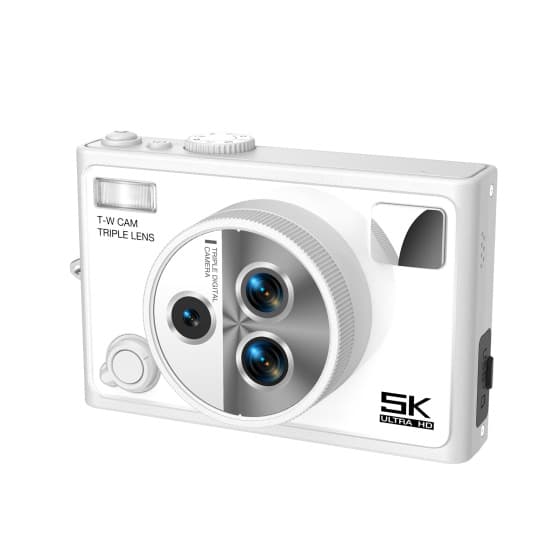
Most modern cameras and high-end smartphones come equipped with a 3-lens system. Each lens has a unique focal length that naturally impacts how much of your scene stays in focus.
Typically ranging from 13mm to 24mm, this lens is excellent for capturing expansive scenes. Because of its short focal length, it naturally provides a deeper depth of field, making it the best choice for landscapes where you want everything sharp.
Often around 35mm to 50mm, this is the most versatile lens in your kit. It mimics the human eye and is ideal for street photography and travel. It provides a balanced depth of field that can be easily manipulated with your aperture settings.
Ranging from 70mm to 200mm and beyond, the telephoto lens is perfect for isolating subjects. Because longer focal lengths produce a shallower depth of field, this lens is your best tool for creating professional bokeh and dramatic wildlife shots.
"Bokeh" refers to the aesthetic quality of the blur in out-of-focus areas. To maximize this, use your Telephoto lens, select the lowest f-stop number possible, and ensure there is significant distance between your subject and the background.
Don't feel obligated to focus on the center. Use selective focus to guide the viewer’s attention to a specific element—like the dew on a leaf or the eyes of a subject—allowing the rest of the world to fade away into a soft blur.
Creating layers adds a 3D feel to your composition. By placing an object very close to the lens (like a branch or a fence) and focusing on a subject further away, you create a sense of scale and professional "heft" in your images.
Mastering depth of field allows you to take full control of your 3-lens camera and stop relying on "Auto" mode. By choosing the right aperture and focal length for the job, you transform a flat image into a captivating visual story.
Ready to level up your photography? Grab your camera, switch to Aperture Priority mode, and start experimenting with the world of focus today!
11/10/2026
19/09/2026
05/09/2026
23/08/2026
10/08/2026
18/07/2026
01/07/2026
20/06/2026
06/06/2026
14/05/2026