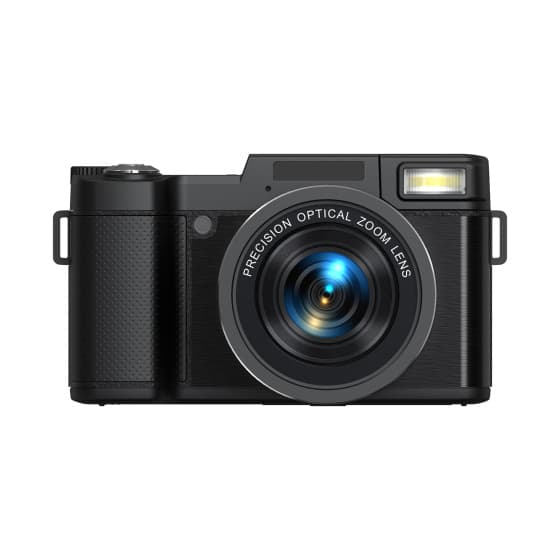
An SLR camera is a precision instrument where mechanical excellence meets optical brilliance. To maintain high-fidelity imaging, a consistent maintenance routine is essential. This guide explores professional techniques for body care, lens preservation, and the advanced sensor protection found in the AMKOV ecosystem, ensuring your gear performs at its peak for years to come.
In the world of high-end photography, your camera is more than a tool—it is a sophisticated investment in your creative vision. Whether you are operating a classic film SLR or a modern AMKOV digital system, the longevity of your equipment depends on meticulous care. Dust, moisture, and improper handling are the silent enemies of optical clarity.
Follow this professional guide to ensure your gear remains in showroom condition.
1. The Body: Preventing Mechanical Wear
The exterior of your camera is the first line of defense against the elements.
- Daily Wipe-Down: After every shoot, use a lint-free microfiber cloth to remove skin oils and environmental dust. Oils from your hands can slowly degrade rubber grips and finishings over time.
- Port Protection: Ensure all weather-sealing flaps for USB-C and HDMI ports are tightly closed. AMKOV cameras are engineered with precision-fit seals to prevent micro-particles from reaching the internal circuitry.
2. Lens Systems: Maintaining Optical Integrity
The lens is where the magic happens. Even a microscopic scratch can cause lens flare or reduced contrast.
- The "Caps-On" Rule: Your lens cap should only be off when the shutter is ready to fire.
- Cleaning Technique: Never apply cleaning fluid directly to the glass. Apply a drop of specialized optical solution to a cloth and wipe in a concentric circular motion from the center outward.
- The AMKOV Advantage: Our 2G6P crystal lenses are designed for durability, but they still benefit from a "blower-first" cleaning approach to remove grit before any physical contact.
3. Sensor & Mirror Care: The Interior Sanctuary
For Single-Lens Reflex (SLR) and DSLR users, the internal mirror and sensor are hypersensitive.
- Avoid Exposed Swapping: Always point the camera body toward the ground when changing lenses to prevent falling dust from landing on the Sony CMOS sensor.
- Blower Only: Use a manual air blower (rocket blower) for the interior. Never use compressed "canned" air, as the high pressure and chemical propellants can damage the delicate shutter mechanism or leave residue on the sensor.
4. Battery Health: Powering the Future
Modern lithium-ion batteries require specific habits to maintain their maximum charge capacity.
- Temperature Control: Extreme heat is the primary killer of battery life. Store your batteries in a cool, dry place.
- Storage Logic: If you aren't shooting for more than two weeks, remove the battery. This prevents "parasitic drain" and potential contact corrosion.
5. Storage Solutions: Fighting Moisture and Fungus
Humidity is a camera’s worst nightmare, leading to lens fungus that can permanently etch the glass.
- Silica Strategy: Always store your gear in a padded, dedicated camera bag with silica gel desiccant packs to absorb ambient moisture.
- The Dry Box Investment: For professional-grade protection, consider a humidity-controlled dry cabinet, especially if you live in tropical or coastal environments.
6. Troubleshooting & Routine Inspections
- Test the Mechanics: Once a month, fire the shutter at various speeds to keep the internal lubricants fluid.
- Firmware Updates: For digital models like the AMKOV V-LOG series, check for firmware updates regularly. These updates often optimize sensor processing and battery efficiency, extending the "digital life" of your device.
Conclusion: A Legacy of Performance
Proper maintenance is the bridge between a camera that lasts three years and one that lasts thirty. By treating your AMKOV or legacy SLR with professional respect, you ensure that every frame captured is as sharp and vibrant as the day the camera was unboxed.
Remember: A clean lens and a healthy sensor are the foundations of captivating photography. Start your maintenance routine today and protect the tools that tell your story.